
Liquefied Petroleum Gas (LPG) is one of the most widely used energy products in residential, commercial, industrial, and transportation applications. Its relatively clean combustion, portability, and high energy content make it an important fuel for markets around the world.
For importers, distributors, industrial companies, and commercial buyers, understanding what LPG is used for, how LPG grades differ, and how to choose the right LPG product is essential for efficient procurement and reliable supply.
What Is LPG?
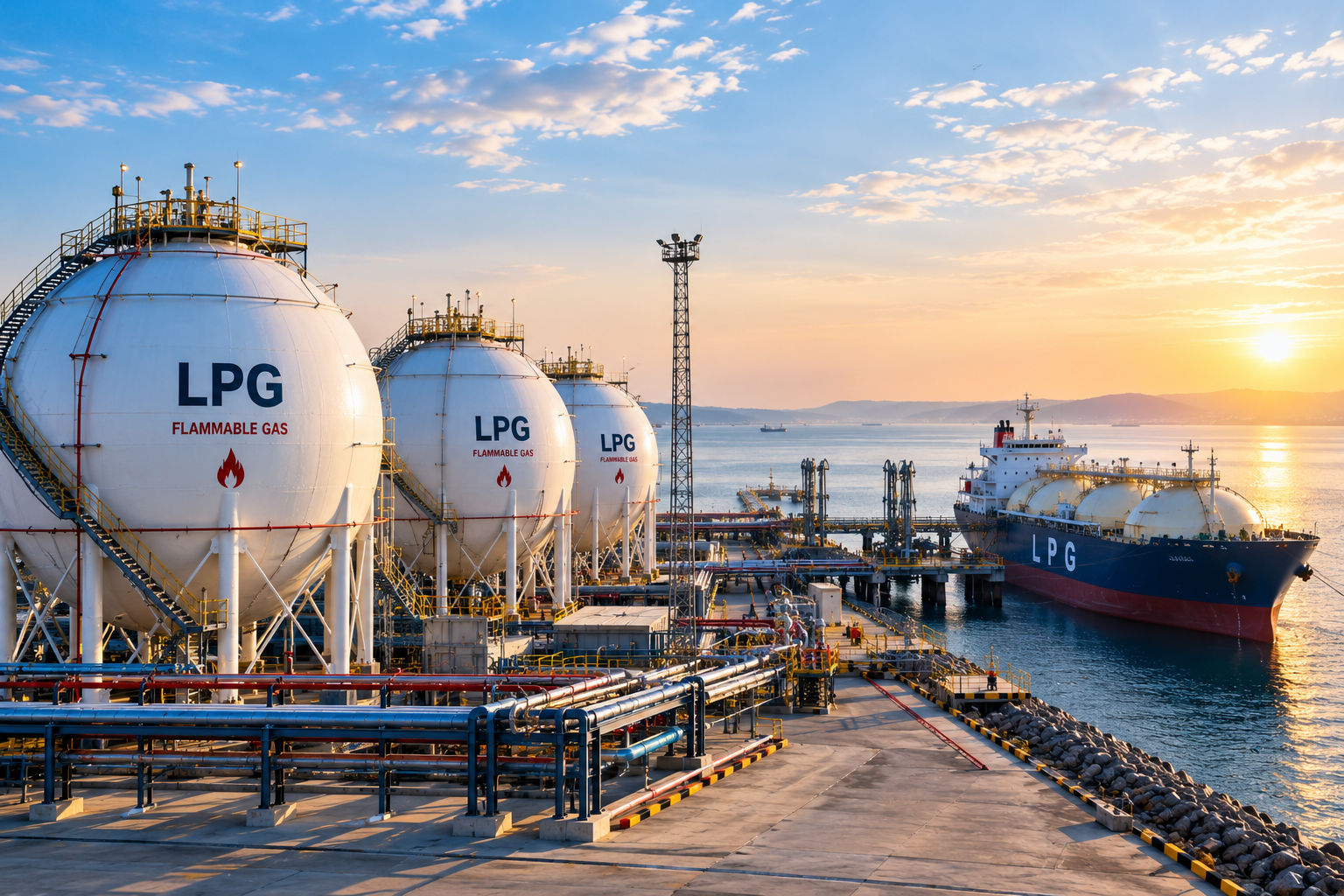
LPG stands for Liquefied Petroleum Gas. It is a mixture of light hydrocarbons, primarily propane (C3) and butane (C4), which can be stored and transported in liquid form under pressure.
The composition of LPG can vary depending on its origin, production process, market requirements, and intended application. Different propane-to-butane ratios can affect important characteristics such as vapor pressure, boiling behavior, and performance under different temperatures.
Because LPG is stored as a liquid but used primarily as a gas, it offers an efficient way to transport and distribute energy. When pressure is released, the liquid LPG vaporizes and can be used as a fuel for a wide range of applications.
What Is LPG Used For?
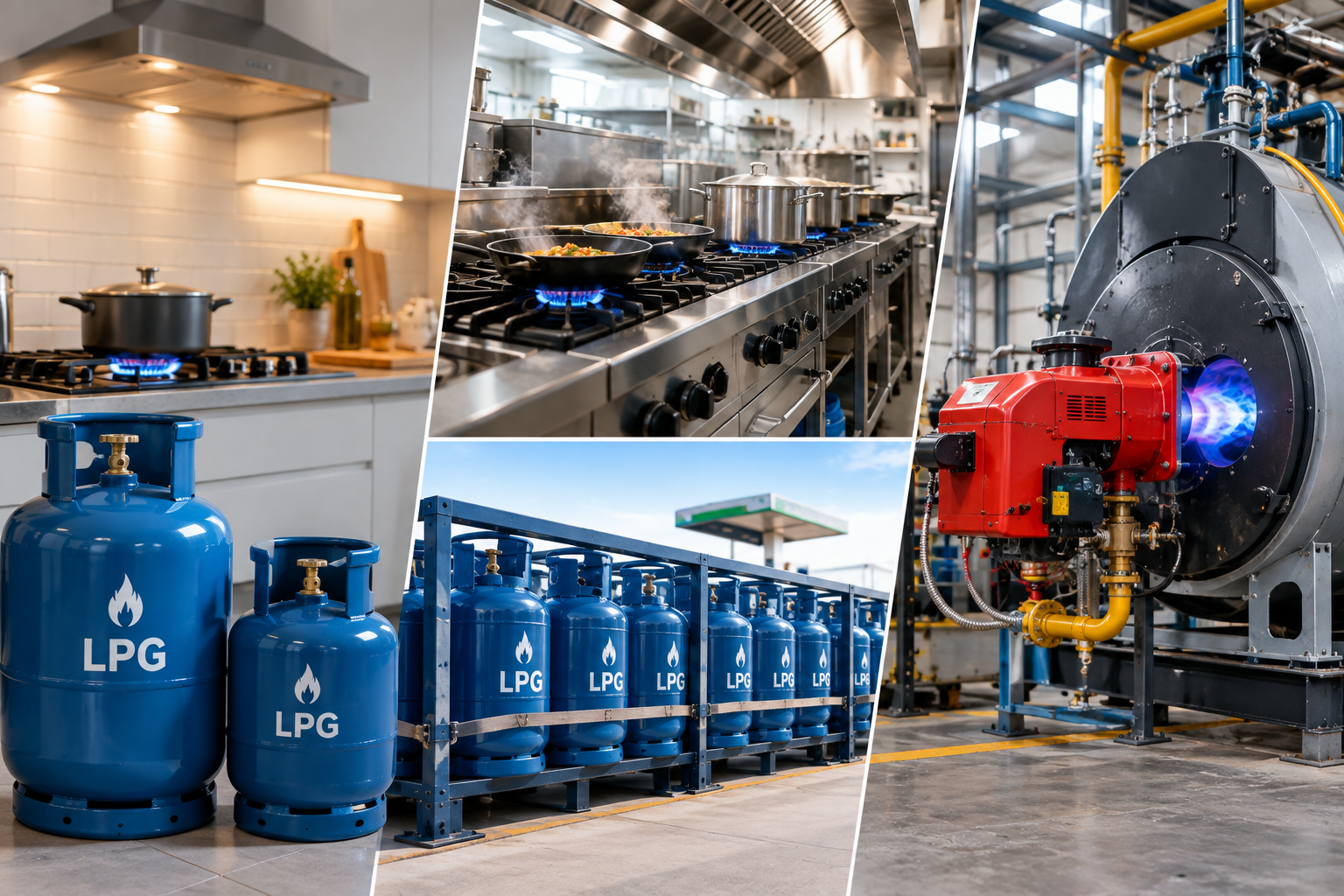
LPG has a wide range of applications across residential, commercial, industrial, and energy markets.
1. Residential and Cooking Applications
One of the most common uses of LPG is cooking. LPG is widely used in households, restaurants, catering businesses, and commercial kitchens where a reliable and controllable fuel source is required.
It can be supplied in cylinders or through bulk storage systems, depending on the scale of consumption.
2. Heating
LPG is also used for heating homes, commercial buildings, workshops, and other facilities. Its portability makes it particularly useful in areas where natural gas pipeline infrastructure is limited or unavailable.
3. Commercial Applications
Hotels, restaurants, bakeries, food-processing businesses, and other commercial facilities can use LPG for cooking, heating, water heating, and other energy requirements.
For commercial users, factors such as consumption volume, storage capacity, delivery schedule, and local regulations can be important when selecting an LPG supply arrangement.
4. Industrial Applications
LPG is used in a variety of industrial processes, including industrial heating, furnaces, boilers, metalworking, drying, and other applications requiring a controllable source of thermal energy.
The appropriate LPG composition may depend on the equipment, operating temperature, climate, and technical requirements of the application.
5. Transportation and Autogas
LPG can also be used as an automotive fuel, commonly known as Autogas. LPG-powered vehicles are used in several markets, particularly where suitable fueling infrastructure and vehicle systems are available.
The required LPG specification for transportation applications may differ from the requirements of other end users, so buyers should always confirm the applicable local and technical standards.
6. Petrochemical Applications
Propane and other LPG components can also have applications as feedstocks in the petrochemical industry. Depending on the composition and quality of the product, LPG may be used in processes that require specific hydrocarbon inputs.
Understanding LPG Grades
Unlike penetration-grade bitumen, LPG is not generally described using a single universal grading system. In international trade, LPG products may be identified by their **propane and butane composition**, product specification, source, and intended market.
At Sahar Trade, two LPG product options currently presented are:
- LPG 30/70
- LPG 50/50
The numbers generally refer to the approximate proportion of propane and butane in the commercial blend. However, the exact composition and specification should always be confirmed through the supplier’s product analysis or Certificate of Analysis (COA).
LPG 30/70
LPG 30/70 is a propane-butane blend with a higher proportion of butane compared with propane.
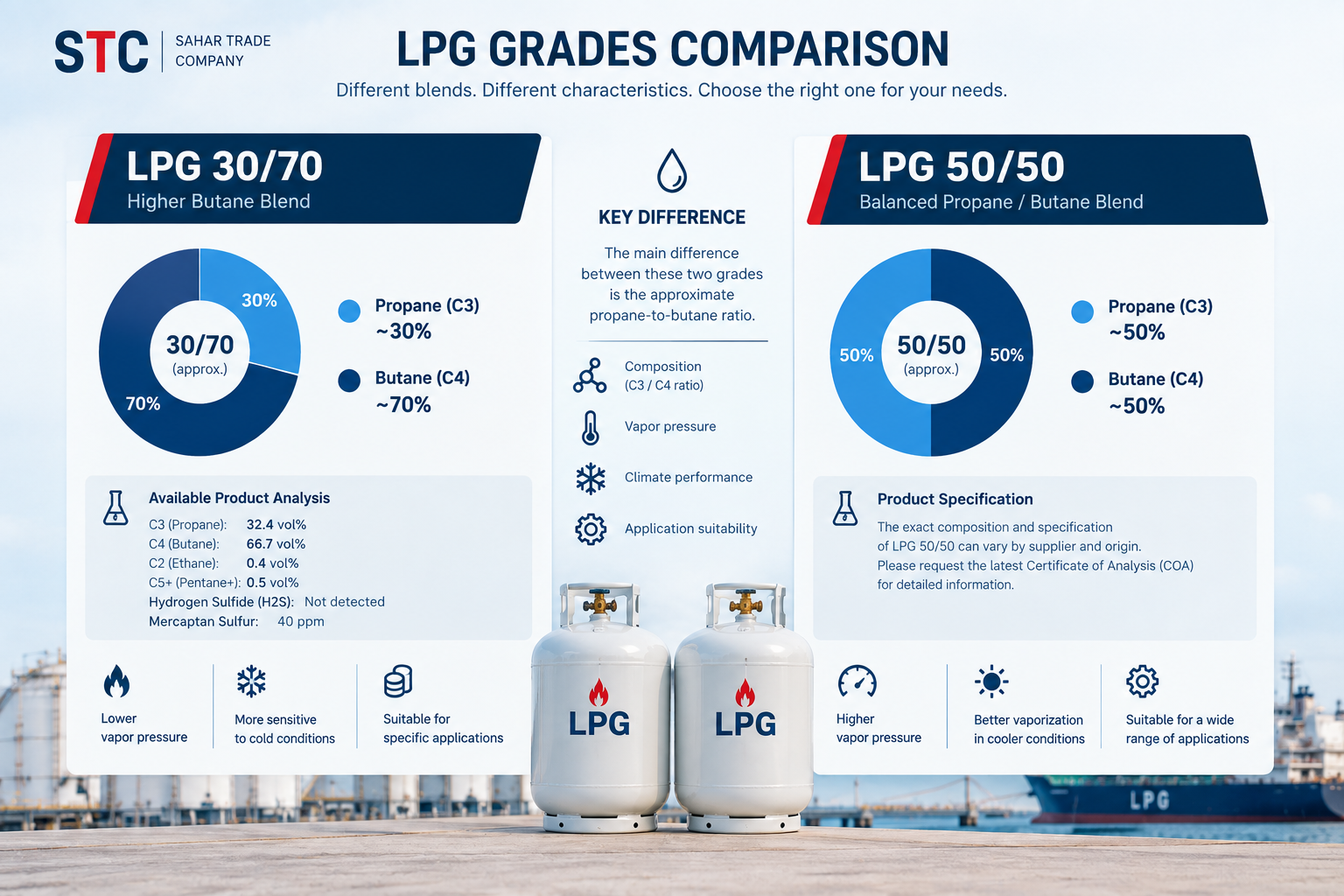
The available product analysis for LPG 30/70 shows approximately 32.4 vol% C3 hydrocarbons and 66.7 vol% C4 hydrocarbons, with smaller quantities of C2 and C5 hydrocarbons. The same analysis reports no detectable hydrogen sulfide and a mercaptan sulfur level of 40 ppm.
This type of composition can be suitable for applications where the required product specification and operating conditions are compatible with a higher-butane LPG blend.
As with all petroleum products, buyers should evaluate the actual product analysis rather than relying only on the commercial grade name.
LPG 50/50
LPG 50/50 refers to a commercial propane-butane blend with approximately equal proportions of propane and butane.
A 50/50 blend can offer a different balance of vapor pressure and evaporation characteristics compared with a 30/70 blend. This may make it suitable for different market conditions and applications.
However, the exact specification of an LPG 50/50 product can vary by supplier and origin. Buyers should therefore request the latest Certificate of Analysis (COA) and confirm the required composition before placing an order.
LPG 30/70 vs. LPG 50/50
The most important difference between these two commercial blends is their approximate propane-to-butane ratio.
| Parameter | LPG 30/70 | LPG 50/50 |
|---|---|---|
| Approx. Propane / C3 | ~30% | ~50% |
| Approx. Butane / C4 | ~70% | ~50% |
| General Composition | Higher butane | More balanced propane/butane |
| Vapor Pressure | Generally lower | Generally higher |
| Climate Consideration | More sensitive to colder conditions | Generally better vaporization in cooler conditions |
| Final Selection | Based on application & specification | Based on application & specification |
The values above are intended as a general commercial comparison. Actual product specifications can vary according to origin, supplier, season, and applicable standards.
How to Choose the Right LPG Grade
Choosing the right LPG product requires more than simply selecting a propane-to-butane ratio.
Climate and Temperature
Temperature can significantly affect LPG behavior. Propane has a lower boiling point than butane, meaning blends with a higher propane content generally maintain better vaporization performance in colder conditions.
For buyers operating in colder climates, the required vapor pressure and seasonal performance should therefore be considered carefully.
End Use and Equipment
The intended application is another important factor. Residential cooking, commercial heating, industrial burners, and transportation applications may have different technical requirements.
Equipment specifications should be checked before selecting the LPG composition.
Product Specifications
Buyers should review parameters such as propane and butane content, density, sulfur compounds, hydrogen sulfide, vapor pressure where applicable, and other requirements specified by the end user or local standard.
A current Certificate of Analysis (COA) is an important document for verifying the actual product characteristics.
Quantity, Packaging and Logistics
For international LPG procurement, commercial and logistical factors are equally important.
Buyers may need to specify:
- Required LPG grade
- Quantity
- Origin
- Packaging or bulk delivery
- Loading location
- Destination
- Delivery schedule
- Shipping terms
- Required documentation
- Applicable product standards
What Should Buyers Check Before Purchasing LPG?
Before requesting an international LPG quotation, buyers should clearly define their technical and commercial requirements.
The following information can help suppliers provide a more accurate offer:
- LPG composition or required grade
- Required quantity
- Intended application
- Destination country
- Packaging or bulk requirements
- Required product specifications
- Certificate of Analysis requirements
- Delivery schedule
- Shipping or trade terms
Clear requirements reduce misunderstandings and make the procurement process more efficient.
LPG Sourcing for International Buyers
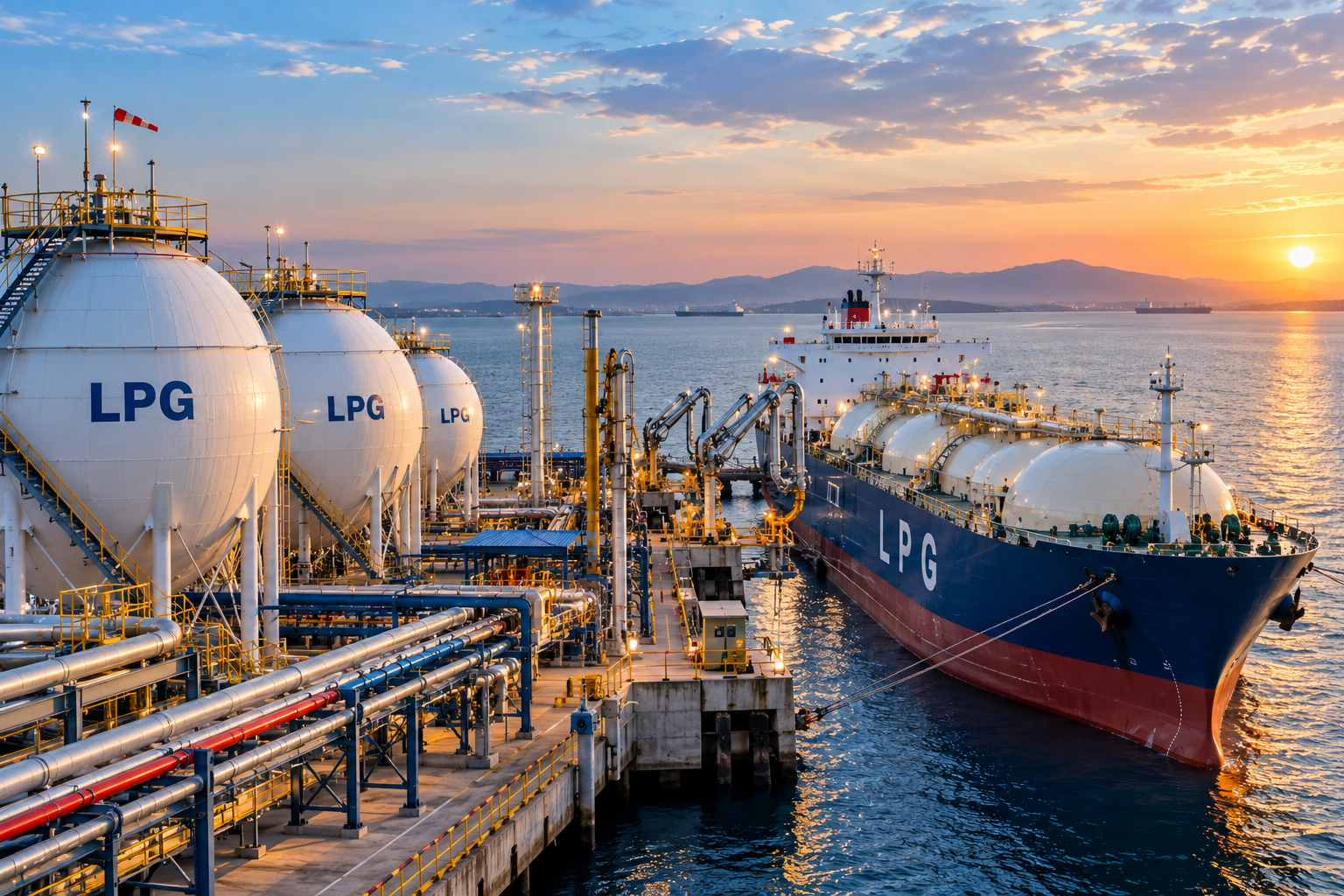
Reliable LPG sourcing requires more than finding a product at a competitive price. International buyers also need dependable supply, consistent specifications, proper documentation, and efficient coordination of transportation and delivery.
Sahar Trade provides international sourcing and trading solutions for energy and petroleum products, including LPG 30/70 and LPG 50/50.
Our approach is focused on connecting buyers with suitable supply opportunities based on their required grade, quantity, origin, destination, and commercial requirements.
Whether you are a distributor, industrial consumer, energy company, or international trader, defining your LPG requirements clearly is the first step toward finding the appropriate supply solution.
Looking for LPG? Contact Sahar Trade to discuss your required grade, quantity, destination, and available supply options.
