
Gasoline is one of the most widely used petroleum products in the transportation sector. It is primarily used as fuel for spark-ignition engines in passenger cars, motorcycles, and other vehicles. Produced from crude oil through refining and blending processes, gasoline is formulated to meet specific performance, quality, and engine requirements.
For buyers, distributors, and international traders, understanding gasoline grades and octane ratings is essential when selecting a product for a specific market or application.
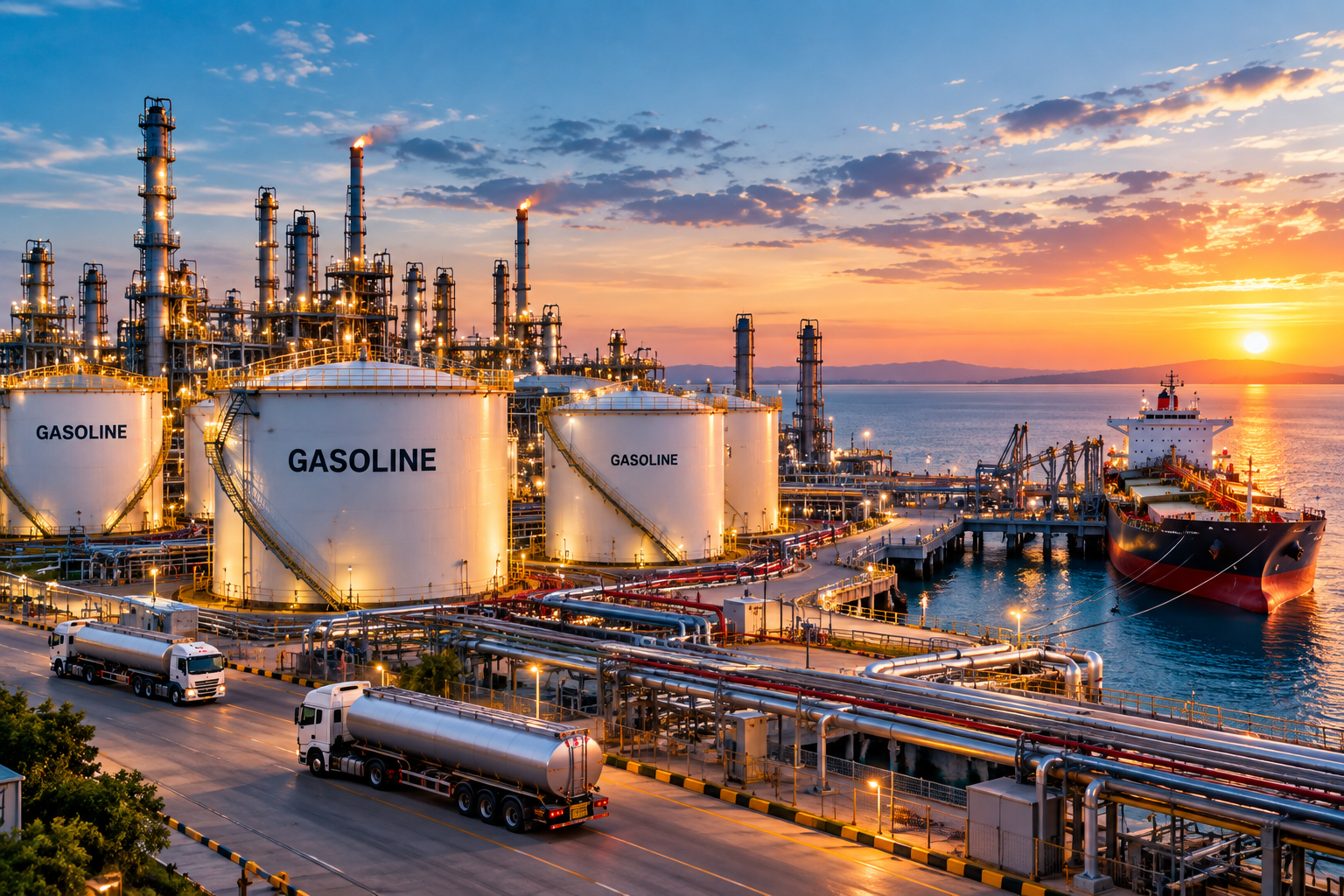
What Is Gasoline?
Gasoline, also known as petrol in many countries, is a complex mixture of relatively volatile hydrocarbons produced from crude oil and other petroleum-based components. Refineries process crude oil and produce various gasoline components, which can then be blended to create finished motor gasoline.
The final formulation of gasoline can vary depending on the refinery, crude oil source, market requirements, season, and applicable fuel standards. Additives may also be incorporated to achieve specific performance or environmental requirements.
Gasoline is designed for controlled combustion inside spark-ignition engines. The fuel-air mixture is ignited by a spark plug, producing the energy required to move the engine.
For international trade, gasoline is commonly specified by several technical parameters, including octane rating, density, distillation characteristics, sulfur content, vapor pressure, and other quality specifications.
What Does Gasoline Octane Rating Mean?
The octane rating indicates a gasoline’s resistance to knocking or uncontrolled auto-ignition inside an engine. In simple terms, a higher octane rating means the fuel is more resistant to premature combustion under pressure.
Engine manufacturers design engines around specific fuel requirements. Using fuel with an appropriate octane rating helps the engine operate as intended and reduces the risk of knock.
One important point is that octane rating does not directly mean that the gasoline contains a higher percentage of octane. Instead, it is a measure of the fuel’s anti-knock performance based on standardized testing.
Two major laboratory methods are used to measure octane performance: Research Octane Number (RON) and Motor Octane Number (MON). In many international markets, including much of Europe and other regions, gasoline grades are commonly specified using RON.
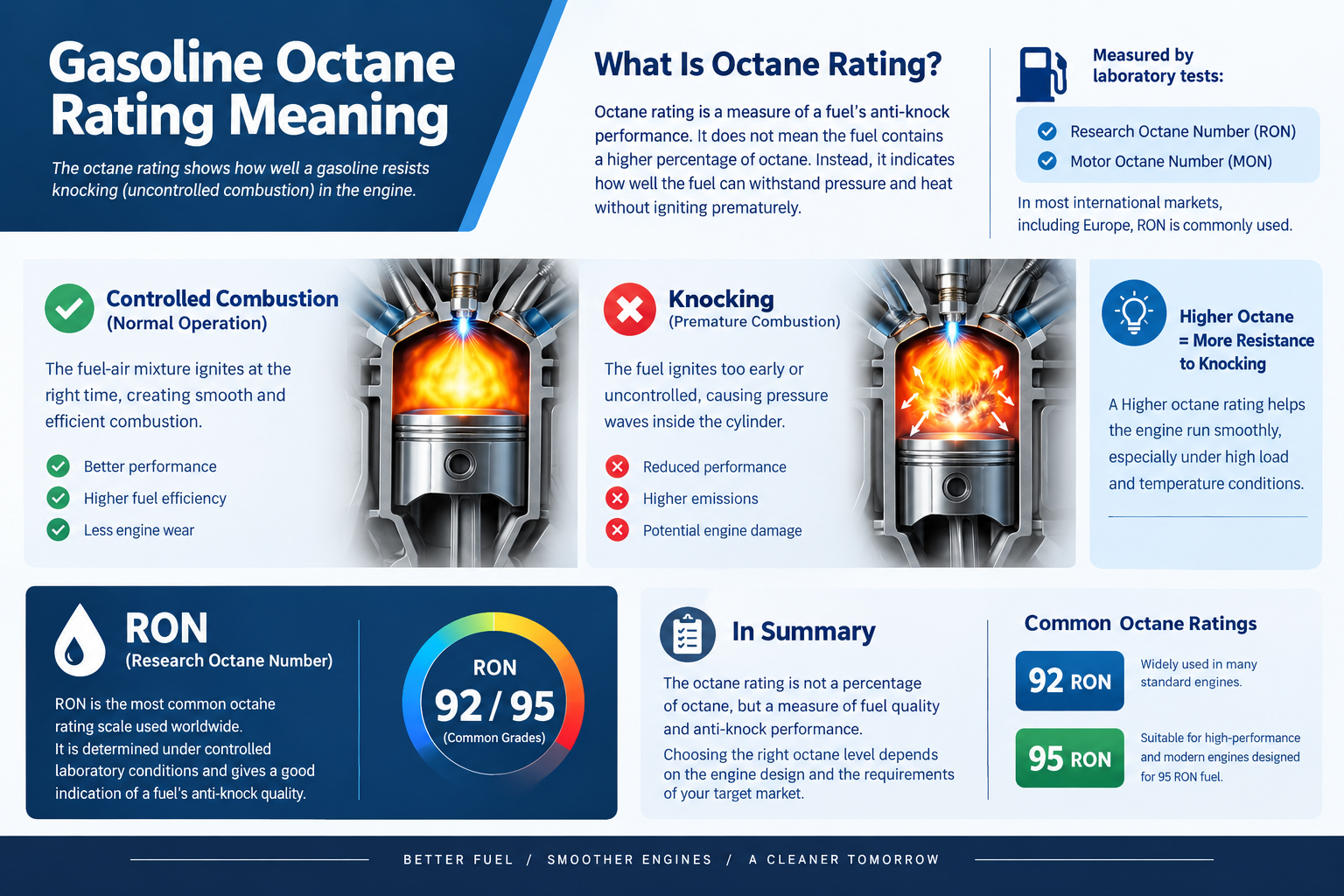
What Is 95 Octane Gasoline?
95 octane gasoline, commonly referred to as 95 RON, is a widely used gasoline grade in international markets.
Its higher resistance to knocking makes it suitable for many modern gasoline engines designed for 95 RON fuel. However, the correct fuel grade should always be determined according to the vehicle manufacturer’s specifications.
For gasoline suppliers and international buyers, a 95 RON product should not be evaluated by octane number alone. Other specifications such as sulfur content, distillation range, vapor pressure, density, and additives can also be important depending on the destination market and applicable standards.
What Is 92 Octane Gasoline?
92 octane gasoline, generally referred to as 92 RON when the RON scale is being used, has a lower octane rating than 95 RON gasoline.
This does not automatically mean that 92 RON gasoline is an inferior product. The appropriate octane level depends on the engine design and the fuel specification required in the target market.
For international trade, buyers should therefore specify the required octane method and the complete technical specification rather than relying only on the number displayed as the grade.
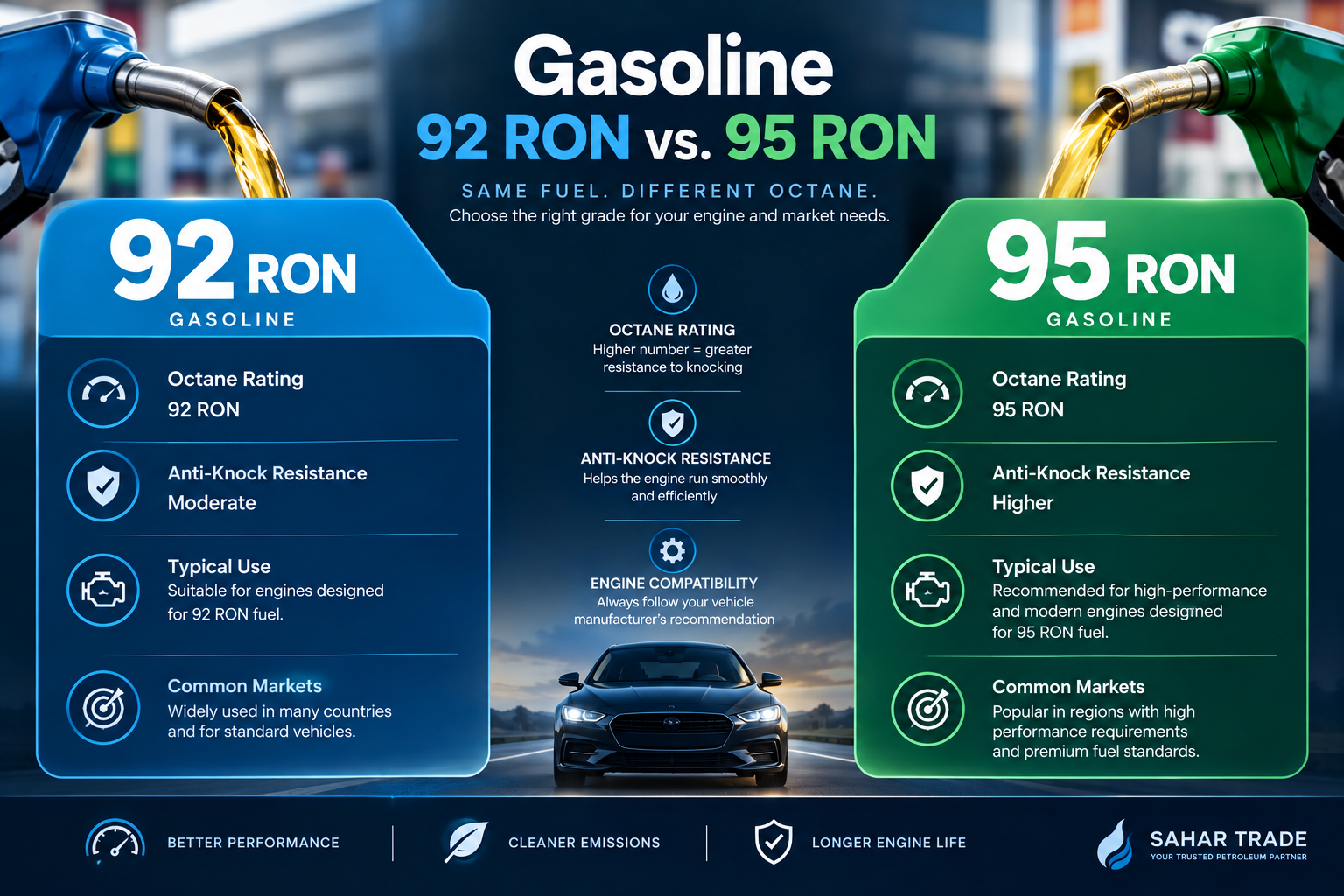
92 vs. 95 Octane: What Is the Difference?
The main difference is the fuel’s resistance to knock.
| Parameter | 92 RON Gasoline | 95 RON Gasoline |
|---|---|---|
| Octane Rating | 92 RON | 95 RON |
| Knock Resistance | Lower | Higher |
| Typical Use | Engines specified for 92 RON | Engines specified for 95 RON |
| Selection | Based on engine & market requirements | Based on engine & market requirements |
A higher octane number should not automatically be interpreted as meaning higher overall fuel quality. Gasoline quality depends on a complete set of specifications and whether the product meets the requirements of the intended engine and market.
Choosing the Right Gasoline for International Trade
For buyers sourcing gasoline internationally, several factors should be checked before placing an order:
- Octane rating and test method
- Sulfur content
- Density
- Distillation characteristics
- Vapor pressure
- Lead and other regulated components
- Applicable fuel standards
- Certificate of Analysis (COA)
- Origin and refinery/source
- Packaging, loading, and transportation requirements
At Sahar Trade, we support international buyers looking for petroleum products from Iran and can coordinate product specifications and commercial requirements according to the target market.
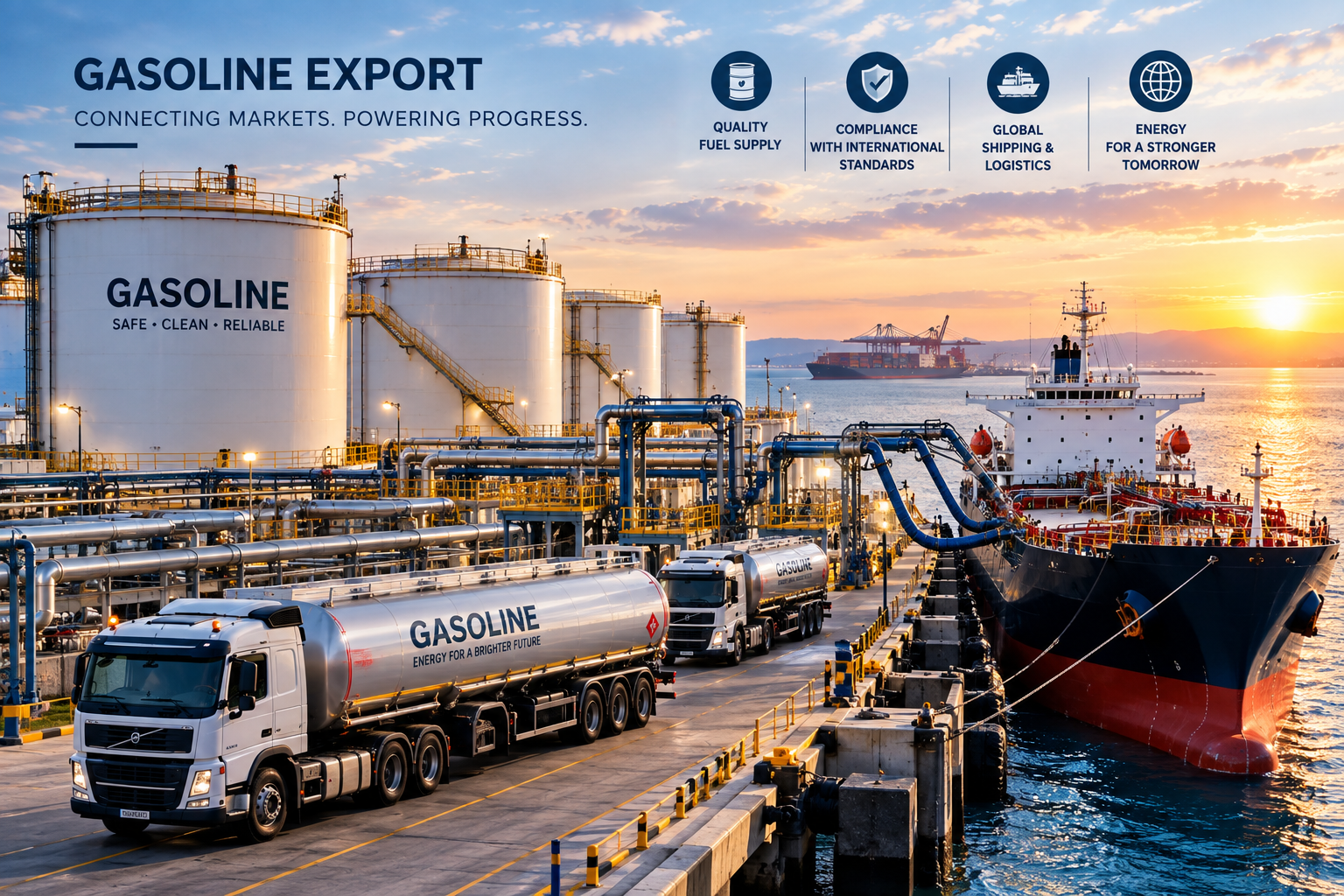
If you are looking to source 92 RON or 95 RON gasoline from Iran, contact us with your required specification, quantity, destination, and delivery terms for further discussion.
