International trade connects producers, suppliers, traders, distributors, and buyers across different countries. Among its key activities, international commodity trading and sourcing play an important role in supplying essential raw materials and industrial products to global markets.
From petroleum products and petrochemicals to agricultural commodities, metals, and industrial chemicals, businesses rely on international supply networks to access products, manage procurement, and serve customers in different markets.
Understanding how international commodity trading works and how to source commodities internationally can help businesses make better purchasing decisions and build more reliable supply relationships.
What Is International Commodity Trading?
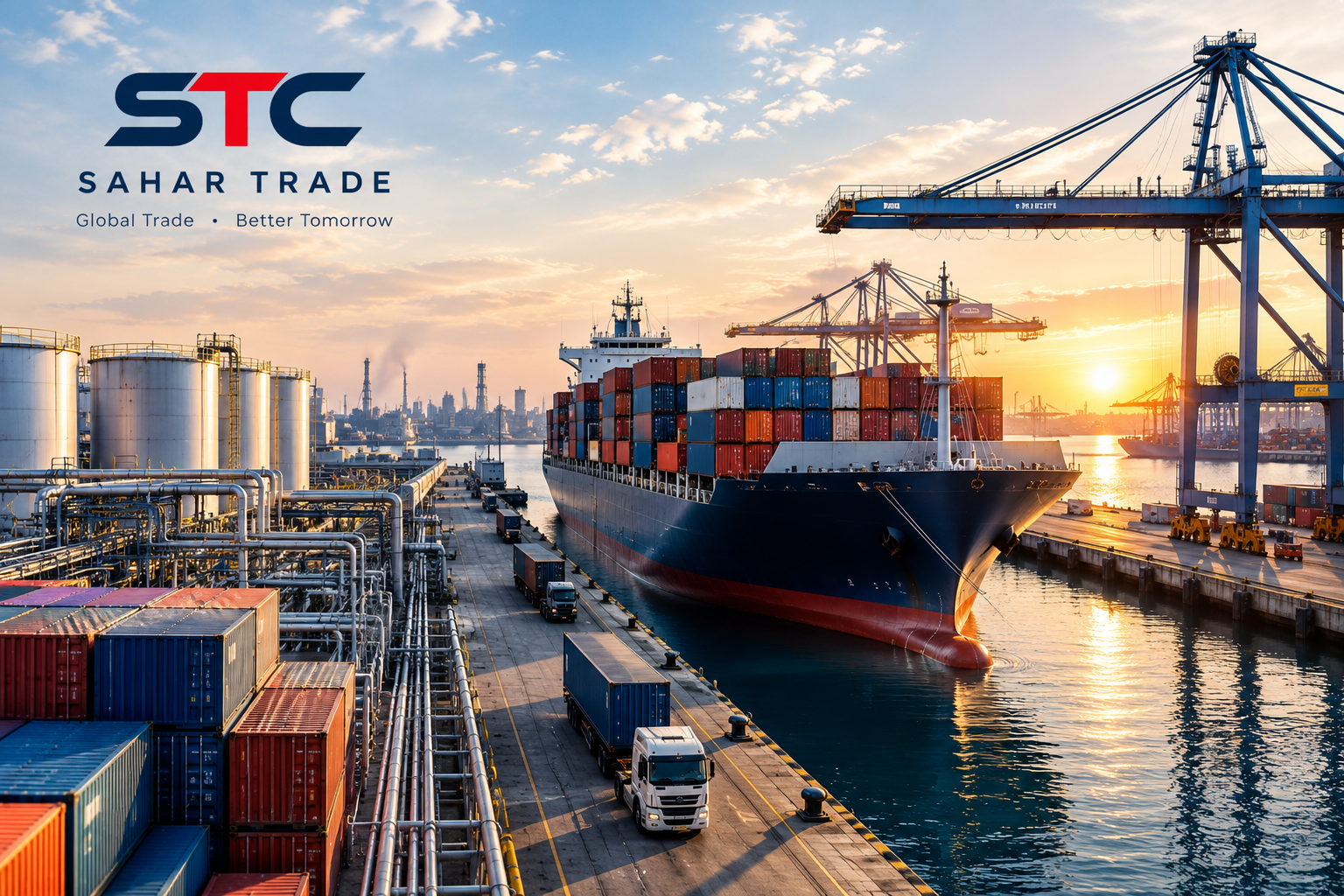
International commodity trading is the buying and selling of commodities across national borders. These transactions may involve physical products such as crude oil, petroleum products, bitumen, liquefied petroleum gas (LPG), petrochemicals, metals, and agricultural goods.
Commodity traders connect suppliers with buyers, coordinate commercial negotiations, and help facilitate transactions between different markets. Depending on the business model, their role may also involve supplier identification, documentation coordination, logistics arrangements, and communication between counterparties.
International commodity trading requires more than finding a product at an attractive price. Buyers and sellers must also consider product specifications, quantity, delivery terms, payment conditions, documentation, transportation, and applicable regulations.
What Is International Commodity Sourcing?
International commodity sourcing is the process of identifying, evaluating, and selecting suppliers in domestic or foreign markets to meet a business’s purchasing requirements.
Companies may source internationally when they need specific products, alternative suppliers, suitable commercial terms, or access to markets that cannot fully meet their requirements locally.
A structured sourcing process helps buyers compare potential suppliers and assess whether a proposed supply arrangement fits their technical, commercial, and operational needs.
How Does International Commodity Sourcing Work?
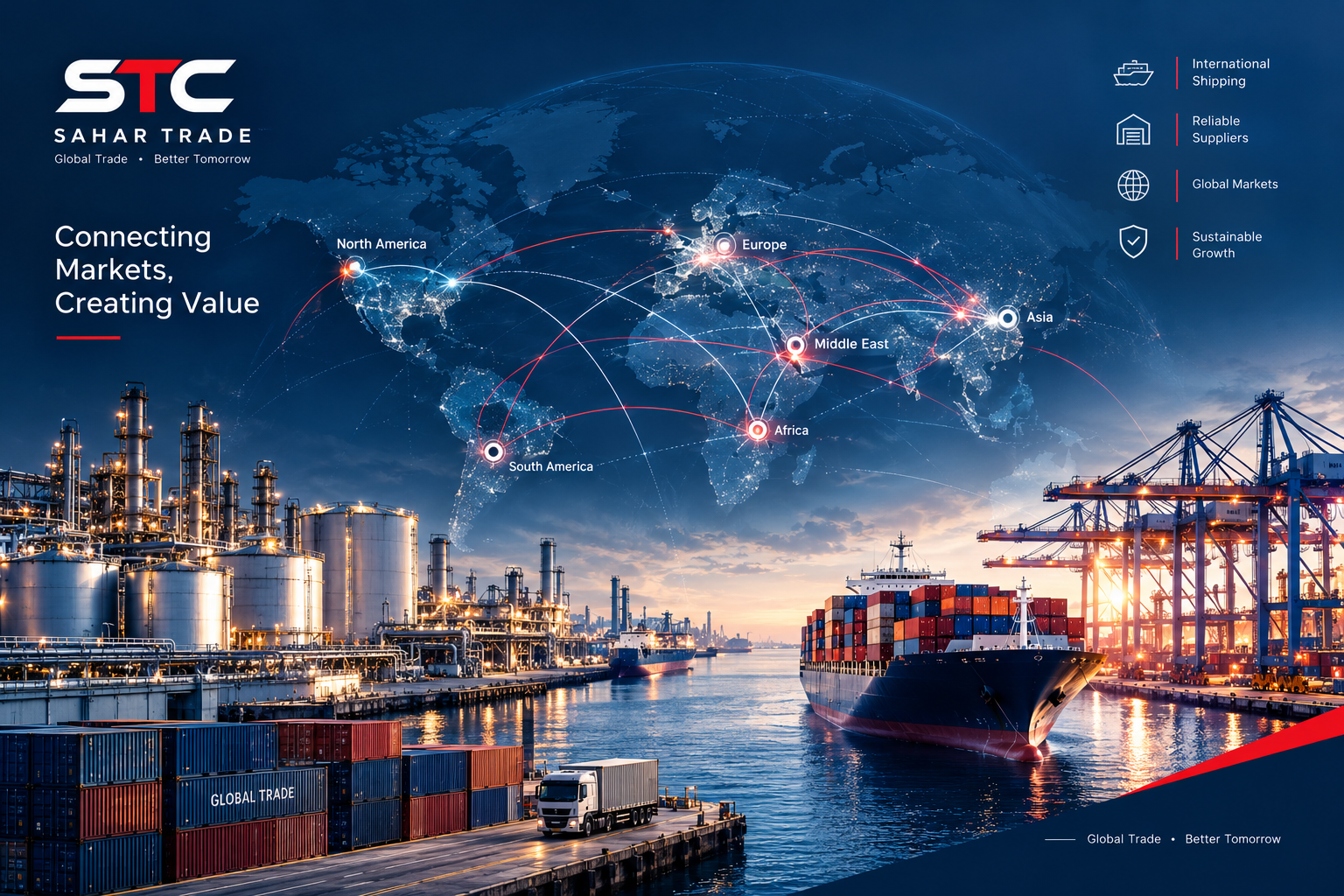
Although each transaction is different, international commodity sourcing generally follows several key steps.
1. Define the Product Requirements
The buyer identifies the required commodity, grade, specifications, quantity, destination, delivery schedule, and intended application. Clear requirements help prevent misunderstandings during negotiations.
2. Identify and Evaluate Suppliers
Potential suppliers are identified through industry networks, direct contacts, trade directories, referrals, and other sourcing channels. Buyers should verify company identity, business credentials, product availability, and relevant documentation before proceeding.
3. Request and Compare Quotations
Buyers request quotations and compare price, quantity, packaging where applicable, payment terms, delivery conditions, lead time, and other commercial requirements. A lower quoted price does not necessarily represent the best overall offer.
4. Confirm Specifications and Commercial Terms
Before committing to a transaction, the parties should agree on the product specifications, quantity, inspection arrangements where applicable, required documents, payment conditions, and delivery responsibilities. Technical documents such as a Certificate of Analysis (COA) may be relevant depending on the commodity.
5. Coordinate Documentation and Logistics
International shipments may require commercial invoices, packing lists, certificates of origin, transport documents, customs declarations, and product-specific permits or certificates. Requirements depend on the product, countries involved, and applicable regulations.
Transportation, insurance, customs clearance, and delivery responsibilities should be clarified before shipment.
6. Monitor Delivery and Complete the Transaction
The final stage involves coordinating shipment progress, tracking relevant documents, confirming delivery, and completing payment and contractual obligations according to the agreed terms.
Key Factors in Successful Commodity Trading
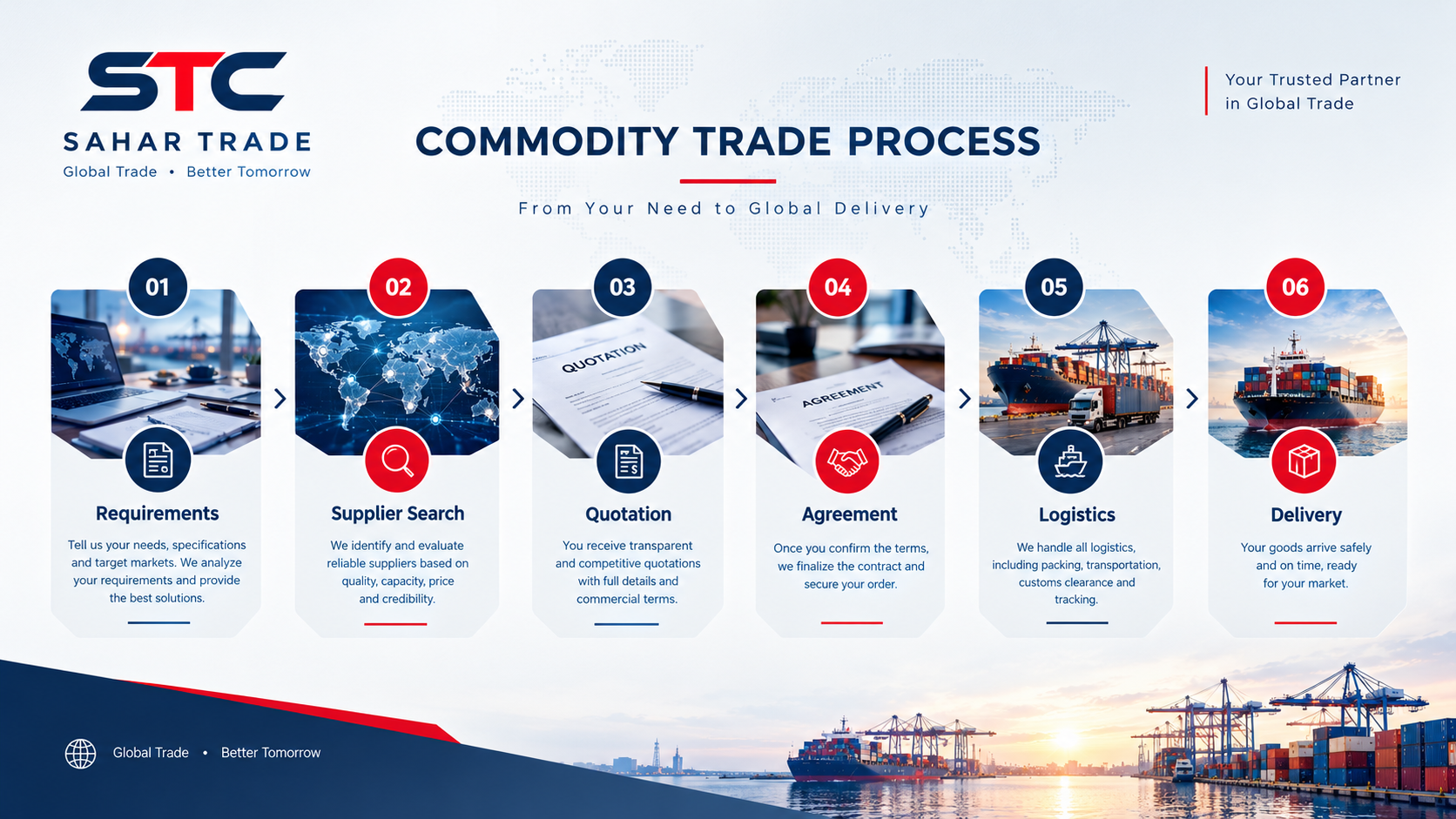
Successful international commodity trading depends on careful preparation and clear communication. Important considerations include supplier verification, accurate product specifications, transparent commercial terms, reliable documentation, suitable logistics arrangements, and compliance with relevant laws and regulations.
Businesses should also understand Incoterms® rules when applicable, as these help define certain responsibilities, costs, and risks between buyers and sellers. Payment methods and risk-management arrangements should be evaluated according to the transaction and the parties involved.
International Commodity Trading with SAHAR TRADE
SAHAR TRADE is an international B2B trading company focused on energy products, petroleum products, petrochemicals, and chemical raw materials, with an emphasis on Iran, Armenia, and regional markets.
Our approach is centered on understanding buyer requirements, evaluating potential supply opportunities, and discussing suitable commercial arrangements based on product availability and verified documentation.
If your business is looking for an international commodity supplier or exploring new sourcing opportunities, we welcome your inquiry.
Contact SAHAR TRADE to discuss your product requirements and potential B2B supply cooperation.
Visit sahartrade.am to learn more about our business and submit a product inquiry.
